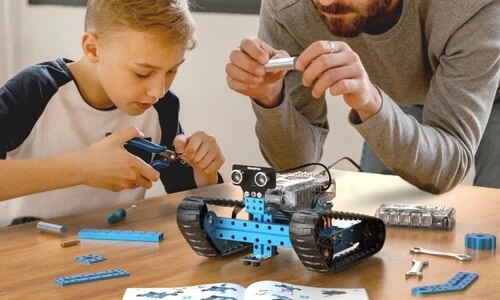
If you’ve been researching “AI robot toys that teach coding,” but the reality is less exciting — but more useful to understand.
Most AI robot toys do not teach real coding in the way parents expect. They can still be valuable, but only if you know what they actually do (and what they don’t).
This guide is based on real reviews, classroom use, and long-term usage patterns — not just product descriptions.
Most AI Robot Toys Don’t Teach Coding (Here’s What They Actually Do)
The “button pressing = coding” misconception
A large number of robot toys market simple interactions as “coding.”
In practice, many of them:
- trigger pre-programmed actions
- respond to buttons or simple commands
- simulate intelligence without allowing real creation
To a child, it feels like coding. But they’re often not building logic — just activating it.
What kids are really learning: sequencing, patterns, reactions
That doesn’t mean these toys are useless. The better ones teach:
- Sequencing (do this → then that)
- Patterns (repeat actions, loops)
- Cause and effect (if I change this, something happens)
These are important — but they are pre-coding skills, not actual programming.

Why many “AI robots” feel educational but aren’t
The biggest gap is this:
👉 Kids are interacting, but not creating
Many toys:
- limit what kids can change
- don’t allow open-ended problem solving
- lack progression beyond beginner tasks
That’s why many parents say:
“It was fun at first… but then it didn’t really go anywhere.”
What “Real Coding Learning” Looks Like
Before choosing a robot, it helps to understand what real learning progression looks like.
Level 1: Cause-and-effect (ages 5–7)
- Press a button → robot moves
- Basic understanding of control
> Good starting point, but not coding yet
Level 2: Block-based coding (ages 6–10)
- Drag-and-drop commands (like Scratch)
- Build sequences, loops, conditions
> This is where most “coding toys” stop
Level 3: Problem-solving & debugging (ages 8–14)
- Fix mistakes
- Improve outcomes
- Think logically about systems
> This is where real learning begins
Level 4: Real coding (rare in toys)
- Writing actual code (Python, JavaScript)
- Understanding syntax and structure
> Very few robot toys reach this level meaningfully
What Happens After 30 Days (Based on Real Parent Feedback)
By week 4, if kids are still playing
- Some kids (with guidance and a robot that has clear challenges) keep building sequences and solving problems.
- Others abandon it or use it as a simple entertainment toy.

The 5 AI Robot Toys That Come Closest to Teaching Coding
These are not perfect.
But compared to everything else on the market, they come closest to delivering actual learning.
1. Wonder Workshop Dash Robot
Age: 6–11
Best for: Structured beginners
What kids actually learn:
- sequencing
- basic logic
- following step-by-step coding challenges
What they don’t learn:
- real programming languages
Parent verdict:
Dash consistently shows up in classrooms and parent discussions for one reason:
👉 it has guided missions and progression
Kids are more likely to keep using it if they follow the challenges.
Without that, it becomes just another interactive toy.

2. Makeblock mBot2
Age: 8–14
Best for: Kids who like building and problem-solving
What kids actually learn:
- block coding → Python progression
- robotics concepts
- debugging and iteration
What’s harder:
- setup and learning curve
Parent verdict:
This is one of the few robots that can go beyond beginner level.
But there’s a tradeoff:
👉 kids who want instant fun may lose interest
👉 kids who like building and figuring things out can go much deeper

3. Sphero BOLT
Age: 8–16
Best for: Experimentation and flexible learning
What kids actually learn:
- block coding
- intro to JavaScript
- cause-and-effect through sensors
What often happens:
- kids alternate between coding and just driving it
Parent verdict:
Sphero BOLT is powerful — but easy to underuse.
👉 Without structure, many kids don’t go beyond basic play
👉 With guidance, it can introduce real coding concepts

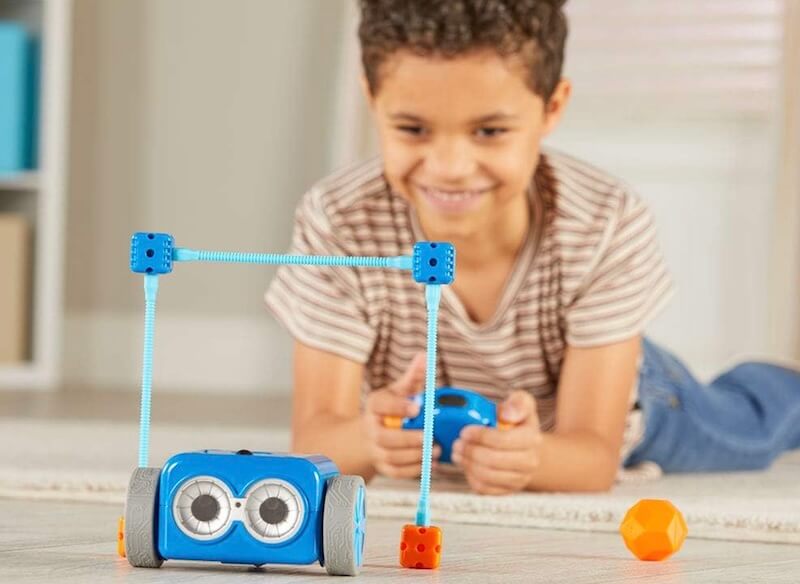
4. Botley 2.0 (Screen-Free Coding Robot)
Age: 5–8
Best for: Younger kids, low screen time families
What kids actually learn:
- sequencing (step-by-step thinking)
- basic logic
- early problem-solving
What they don’t learn:
- real coding
- programming concepts beyond simple commands
Parent verdict:
Botley is one of the easiest ways to introduce logic without screens.
👉 Parents like that it’s simple and frustration-free
👉 Kids enjoy it—but outgrow it quickly
This is a starting point, not a long-term learning tool.

5. Miko 3 (Not Really a Coding Robot)
Age: 5–10
Best for: Entertainment, interaction, curiosity
What kids actually get:
- conversations
- games and quizzes
- AI-style interaction
What they don’t learn:
- coding
- logic building beyond basic activities
Parent verdict:
👉 Kids love it
👉 But it’s closer to a smart companion device than a learning tool
Many parents buy it expecting STEM learning—and end up using it more like an interactive toy.

So… Are AI Robot Toys Worth It for Learning Coding?
Yes — if your goal is logic, problem-solving, early computational thinking, and hands-on STEM confidence.No — if your goal is real programming skills or fully independent learning without any adult input.
These robots are excellent entry points that spark interest. They are not standalone coding education tools. The toy itself doesn’t teach — the system and support around it does.
Better Alternatives
Pair any robot with structured practice: free Scratch projects, guided challenges, or project-based building. That’s where the real leap happens.
Robots shine as engagement tools, not complete systems. Many families start with home play and then move into consistent classes or camps to turn that spark into lasting skills.
Final Verdict: What Parents Should Know Before Buying
- The robot itself doesn't teach coding—the missions you set do.
- Look for "Growth potential" over flashy features like "dancing" or "talking."
- Expect to be involved. The most successful "30-day" results come from families who set a "Weekly Mission" (e.g., "Code the robot to fetch my slippers").
Which Toy Suits Your Child?
- For the "Screen-Free" Home (Ages 5-8): Botley 2.0
- For the Gamer (Ages 6-11): Wonder Workshop Dash
- For the Future Programmer (Ages 8-14): Makeblock mBot2
- For the Hands On Engineer (Ages 12+): Sphero Bolt or RVR+
Ready to give your child a real head start in 2026? Explore our Bay Area coding programs and camps near you.
Over a decade helping students into top colleges. The acceptance letter isn't the finish line — it's just the beginning.


%20(300%20x%20250%20px)%20(1).avif)


-min.avif)