Time off school gives kids room to breathe — but momentum slips, and research on summer learning loss shows it can compound year over year. The fix isn't turning your home into a classroom. As Duke University researcher Dr. Harris Cooper puts it, it's about keeping kids "intellectually, socially, and emotionally engaged in ways that are meaningful to them." That's where no-prep STEM comes in — real learning that doesn't feel like schoolwork.
This is my 21-day, three-week plan — simple, low-lift activities using what you already have at home, built to grow curiosity in science, engineering, and critical thinking (many scale up for middle school and beyond).
💡 Just want the activity list? If you're after quick projects using paper and household items, jump to our 10 Easy No-Prep STEM Activities.
1. Week 1: Outdoor STEM Activities - Nature's Playground
Let's harness the great outdoors for some easy outdoor stem activities. Perfect for a sunny afternoon in the backyard, a trip to the park, or even a nature walk. Even stem activities for middle school kids can find fun in these foundational explorations.
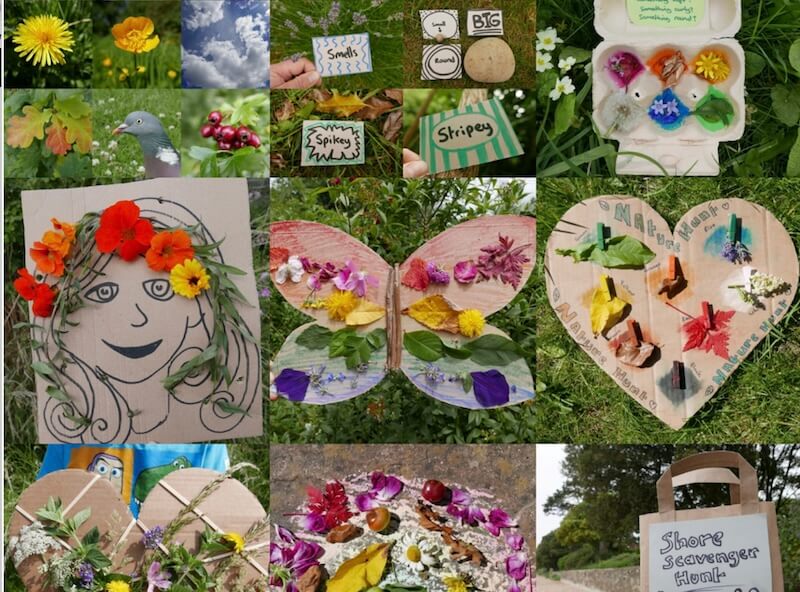
Nature Scavenger Hunt & Classification
- Activity: Create a simple list (or just call out things) for kids to find: something smooth, something rough, a green leaf, a round stone, etc. Once collected, talk about how they can group these items (by texture, color, shape).
- Age Range: 4-11 years
- Adaptation for 3-5 year olds: Focus on finding specific items and naming them. "Can you find a red flower?" "Let's find three leaves!"
Floating and Sinking Exploration
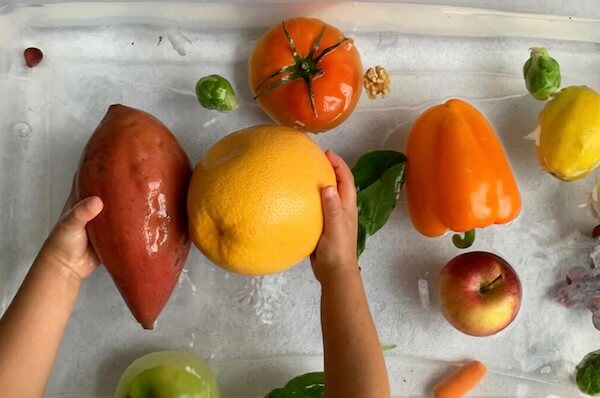
- Activity: Grab a bucket or basin of water. Have kids find small natural items (leaves, twigs, small stones) and predict whether they will float or sink before testing. Discuss why some things float (lighter relative to their size) and others sink. This is a great introduction to concepts also explored in stem activities for middle school.
- Age Range: 4-11 years
- Adaptation for 3-5 year olds: Simply experiment with putting items in water and observing what happens. "Splash! It went down!"
Shadow Tracing & Measurement
- Age Range: 5-11 years
- Adaptation for 3-5 year olds: Focus on just tracing the shadows and observing them change over a shorter period.
- Activity: On a sunny day, have kids trace the outline of an object (a toy, themselves) with chalk on the ground. Check back later to see how the shadow has moved and changed size. Discuss why (the sun's movement). For older kids, measure the length of the shadow at different times. These measurement aspects can be scaled up for stem activities for middle school. - To engage middle schoolers, shift the project from a single static trace to an investigation of time, light geometry, and proportional reasonaing.
.jpeg)
Building a Bird Nest (Observation & Engineering)
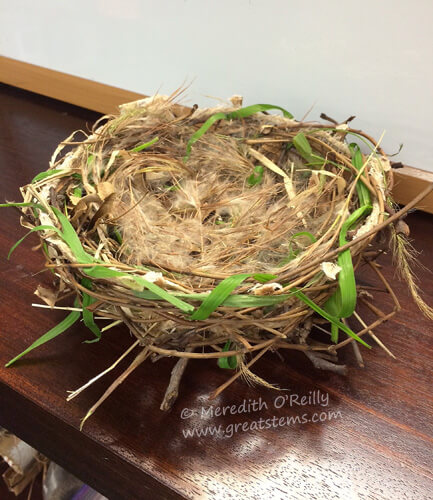
- Activity: Talk about how birds build nests. Provide natural materials like twigs, grass, and leaves and challenge kids to build their own (small, symbolic ones are fine!). Discuss what makes a good nest (strong, sheltered). Even simple engineering challenges like this lay a foundation for more complex stem projects for middle school.
- Age Range: 4-11 years
- Adaptation for 3-5 year olds: Focus on collecting the materials and making a simple pile or arrangement that they think a bird might like.
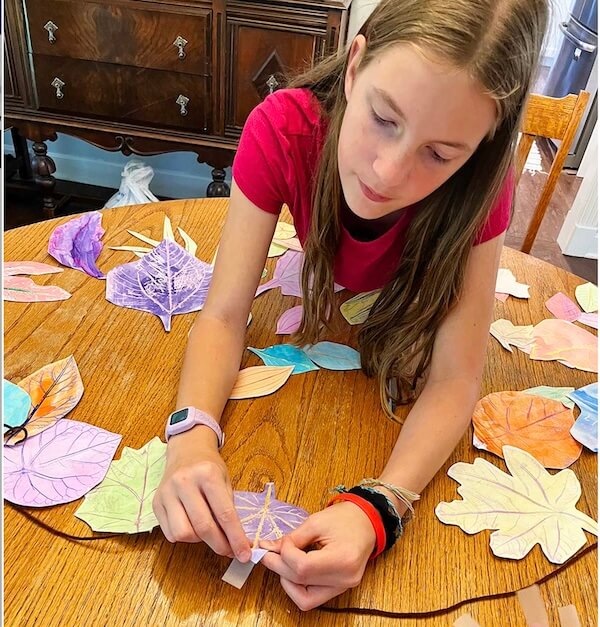
Leaf Rubbings & Anatomy
- Activity: Place a leaf under a piece of paper and rub sideways with a crayon to reveal its texture and veins. Talk about the different parts of a leaf (veins carry water, etc.).
- Age Range: 4-11 years
- Adaptation for 3-5 year olds: Just enjoy the process of rubbing and seeing the leaf appear on the paper
2. Week 2: No-Prep STEM Night Activities - Indoor Investigations
As the day winds down, let's keep the learning going with some easy stem night activities you can do right at your kitchen table. Many of these can be adapted into quick stem activities for middle school.
Tower Building with Household Items
- Activity: Using only items like dry spaghetti, or playing cards, challenge kids to build the tallest freestanding tower. This encourages problem-solving and structural engineering for kids. For stem projects for middle school, you could introduce constraints like a time limit or specific material quantities.
- Age Range: 6-11 years
- Adaptation for 3-5 year olds: Let them build freely with the materials without a height constraint, focusing on stacking and stability.
.jpeg)
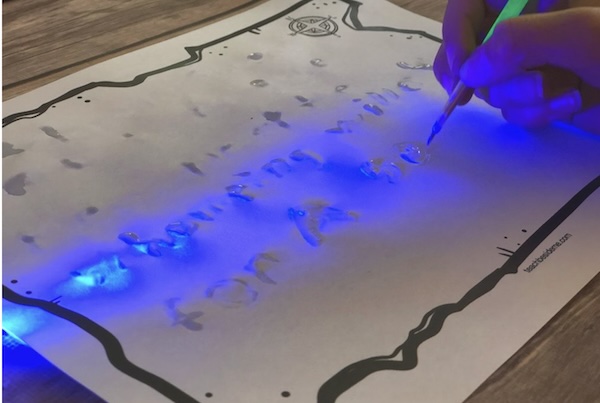
Secret Messages with Invisible Ink
- Activity: Use lemon juice or milk as invisible ink (applied with a cotton swab or paintbrush) on paper. Once dry, reveal the message by gently heating the paper (with adult supervision using a lamp bulb or hairdryer). This introduces basic chemistry concepts.
- Age Range: 6-11 years (adult supervision needed for heating)
- Adaptation for 3-5 year olds: They can "write" secret messages with water and pretend they'll magically appear later.
- Sink or Float Revisited (Indoor Edition)
- Activity: Similar to the outdoor version, but use household items like a sponge, a coin, a plastic toy, a bar of soap. Predict and test!
- Age Range: 4-11 years
- Adaptation for 3-5 year olds: Simple observation and naming of whether the item goes "down" or stays "up.
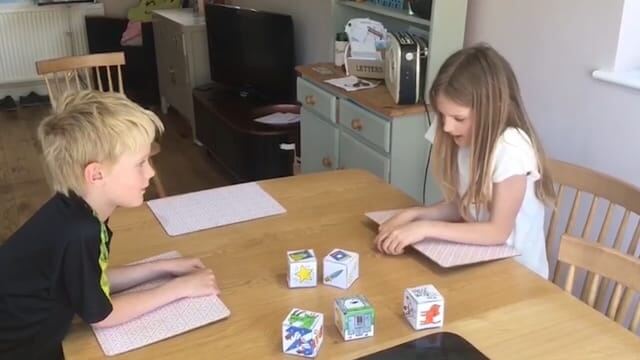
Storytelling with Dice (Creative Tech Connection)
- Activity: If you have story dice (dice with pictures instead of numbers), use them to create spontaneous stories. This encourages creative thinking, a skill important in future tech fields. If no story dice, just use regular dice to determine elements (e.g., 1=a princess, 2=a dragon, 3=a forest).
- Age Range: 4-11 years
- Adaptation for 3-5 year olds: Focus on naming the pictures on the story dice or the elements determined by regular dice.
3. Week 3: Creative Tech & AI for Kids - Future-Ready Thinking
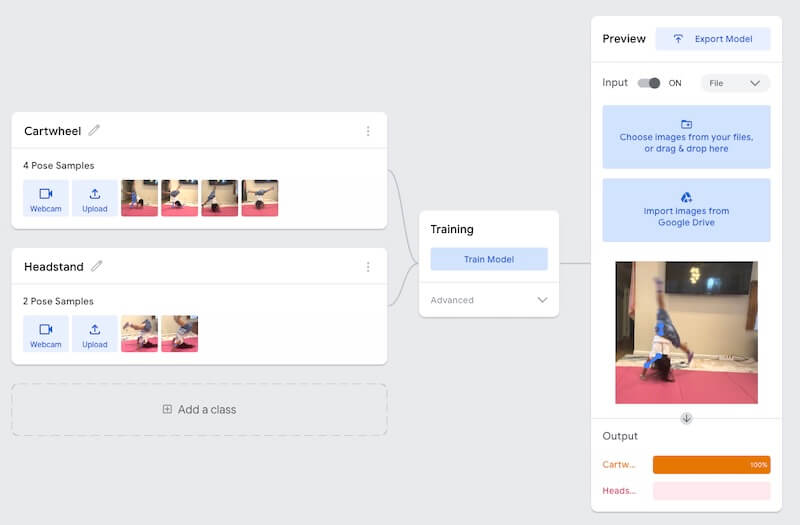
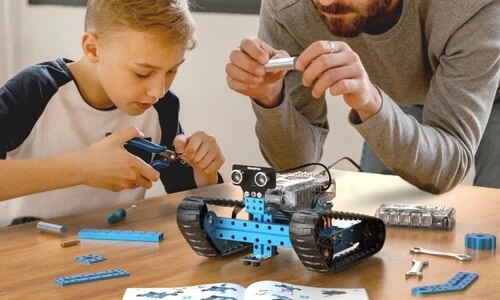
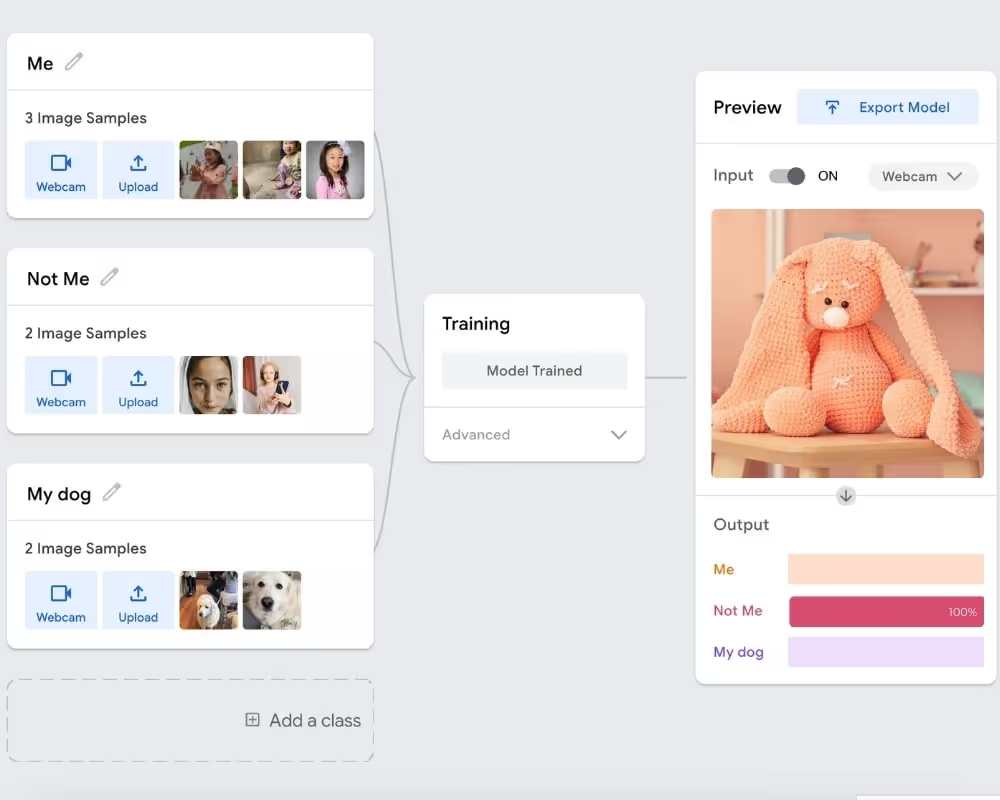
By the final week, kids are ready to explore how technology actually "thinks." Instead of screen-time for its own sake, try a few guided, no-prep AI activities that build curiosity and critical thinking. For a full walkthrough, see our guide to AI tools for kids and our hands-on machine learning projects for kids.
4. Wrap-Up: Keep the STEM Spark Alive!
And there you have it – 21 days of no prep stem activities to keep the learning fun going all summer long! We explored the wonders of the outdoors, conducted indoor investigations, and even dipped our toes into the exciting world of ai for kids and future tech thinking – all with things you likely already have around the house.
The goal here isn't to turn your kids into junior scientists overnight, but to sprinkle in moments of curiosity, problem-solving, and "aha!" moments into their summer break. Even one simple activity a day can make a difference in keeping their minds active and engaged. We hope even some of these foundational ideas inspire future stem projects for middle school.
Now, we'd love to hear from you!
- Which of these stem activities for middle school (and younger!) will you try today?
- What's your family's favorite no prep stem activities idea? Share it in the comments below!
- Are there any future themes you'd love to see us explore (like math games, engineering for kids builds, or screen-free AI activities)? Let us know!
FAQ
Q: How much time does a no-prep STEM activity take?
Most no-prep STEM activities take just 10 to 15 minutes, which makes them easy to fit into a school night or weekend. Because they use household materials and need no setup, kids can start almost instantly — and a single short activity a day is enough to keep curiosity and problem-solving skills active.
Q: What age are these no-prep STEM activities for?
These no-prep STEM activities work best for kids roughly 5 to 14, and most can be scaled up or down. Younger children focus on hands-on play and observation, while older kids and middle schoolers can add predictions, measurement, and "why" questions to turn the same activity into a deeper challenge.
Q: Do STEM activities really help prevent learning loss?
Yes. Research on learning loss shows kids lose academic momentum during long breaks, and it can compound year over year. Short, regular STEM activities help by keeping kids curious and mentally active without feeling like schoolwork — the goal isn't formal study, but steady, low-pressure engagement that keeps their thinking sharp.




%20(300%20x%20250%20px)%20(1).avif)
%20(300%20x%20250%20px)%20(2)%202.avif)





-min.avif)